A classroom Valentine’s party can be festive without turning your kitchen into a bakery production line. A little pink packaging, a heart-shaped bite, or an individual snack with a cheerful tag can make an ordinary school day feel special.
These 27 Valentine’s Day classroom snack ideas include savory bites, breakfast-inspired treats, little desserts, and packaged handouts. They are intended to be prepared or selected without peanuts or tree nuts, using exact products that meet your classroom’s requirements. Some need baking or freezer space; others are simple packaging projects you can put together the night before.
Choose one idea that fits the class, make enough individual portions, and keep the decorations manageable. You do not need to make all 27—or spend the evening piping frosting onto every snack in the cupboard.
Heads up: This post may include affiliate links. As an Amazon Associate, I earn from qualifying purchases—at no extra cost to you. Full privacy policy and disclosure here.
Before You Choose a Classroom Snack
Ask the teacher first. Confirm peanut and tree-nut restrictions, other allergies, whether homemade food is allowed, and what cold storage is available. Some schools accept only sealed, commercially packaged food with readable ingredient labels.
Read every label, every time. Bread, chocolate, baking mixes, coatings, seed butters, and decorations can contain restricted allergens or carry cross-contact warnings. A peanut-free claim does not automatically mean tree-nut-free. Do not choose a food that conflicts with the classroom’s allergy plan.
Use clean equipment and preparation surfaces, prevent contact with nuts, and keep original packaging for the teacher to review. These ideas are not automatically free of milk, egg, wheat, soy, sesame, or other allergens.
Here, “shareable” means approved individual portions for the class. Keep perishable foods cold, and confirm freezer space before choosing frozen snacks. Ask the teacher which textures, sizes, and serving accessories suit the children; popcorn, hard roasted foods, marshmallows, and chewy snacks are not suitable for every age group.
Savory Valentine’s Classroom Snacks
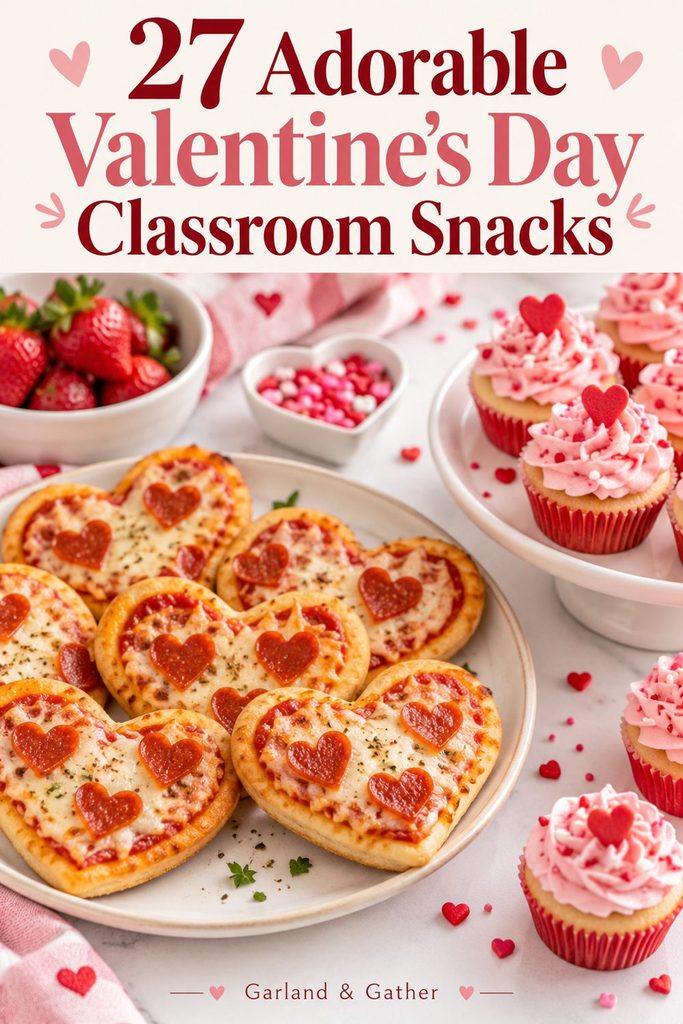
1. Mini Heart Pizzas
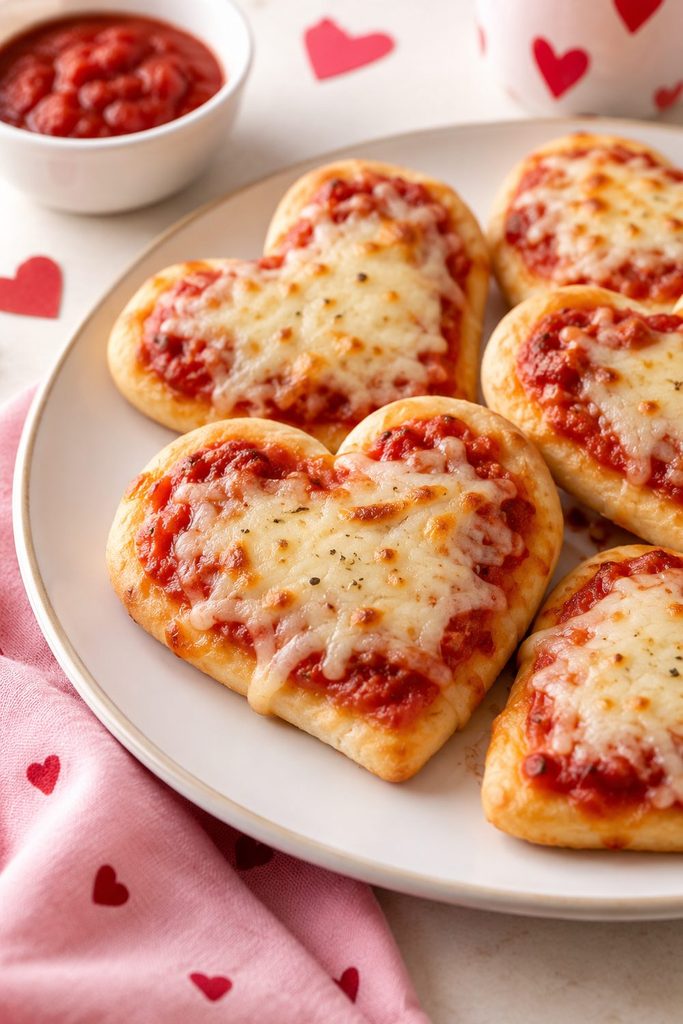
Cut prepared pizza dough into small hearts with a heart-shaped cutter, then spread with a thin layer of tomato sauce and add shredded mozzarella. Bake according to the dough package instructions until the bases are cooked and the cheese is melted. Keep the toppings simple so each pizza is easy to pick up.
Cool before placing the pizzas in shallow food containers. These are a good choice when the class party falls near lunchtime. Confirm how the teacher will store and serve them, and transport with ice packs if they will be eaten cold.
2. Heart Quesadilla Wedges

Fill a tortilla with a thin layer of shredded cheese, top with another tortilla, and cook until the cheese melts. Let it cool slightly, then use a large heart cutter to make hearts that stay together when lifted. A wide spatula helps move them without pulling the filling apart.
Pack each portion in a divided snack container once cool. Keep these refrigerated until serving and use tortillas and cheese that meet the classroom’s requirements. Save the offcuts for lunch at home.
3. Valentine Pasta Salad Cups

Cook small pasta shapes and rinse under cold water. Toss with finely diced red pepper, cucumber, and a little approved dressing, then divide into lidded portion cups. The red pepper adds a Valentine’s touch without needing candy or food coloring.
Use short forks rather than skewers, and keep the salad cold. Check the dressing label as carefully as the pasta label. If the teacher prefers very simple food, send the dressing separately so the pasta does not sit in a puddle.
4. Turkey Roll-Up Valentines
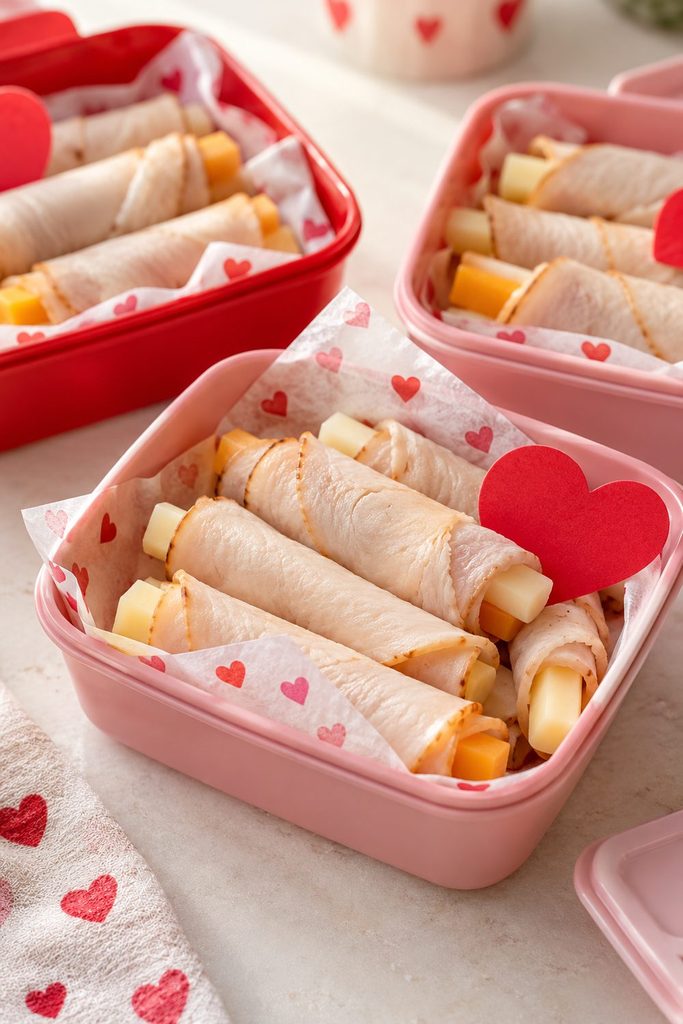
Roll thin slices of ready-to-eat turkey around strips of cheese, then cut into short, manageable pieces. Arrange them in small lunch containers with a pink paper napkin beneath the outside of each box. The festive detail can stay on the packaging.
Skip toothpicks; place the roll-ups snugly together so the container supports them. Check both food labels, use reusable ice packs for transport, and keep refrigerated. Choose another option if the classroom cannot accommodate chilled meat and cheese.
5. Mini Cornbread Hearts
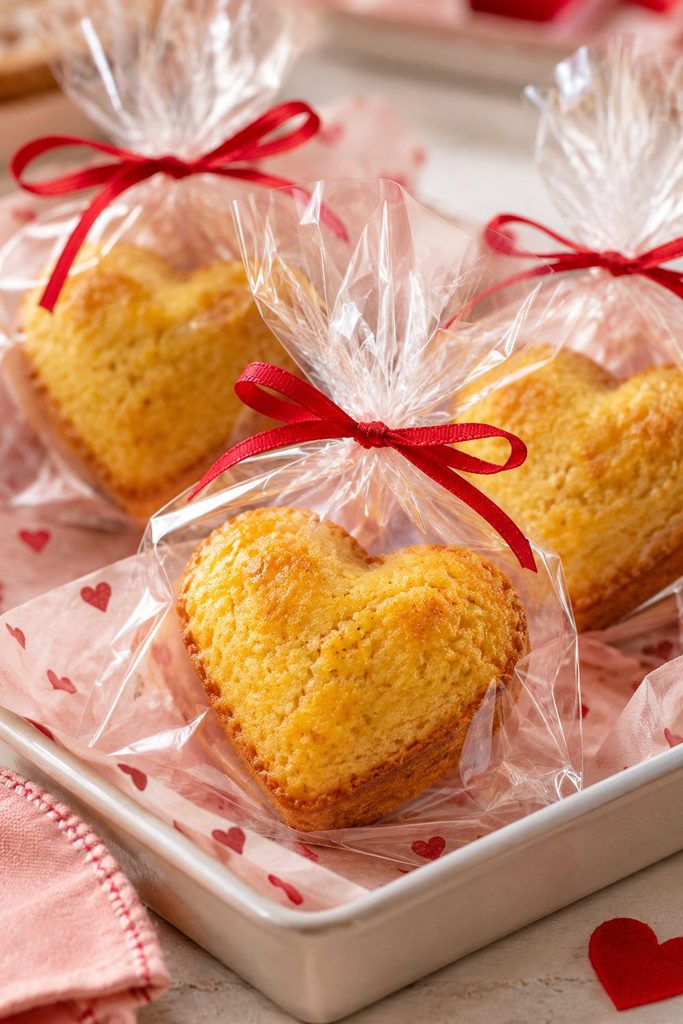
Bake your usual approved cornbread batter in a silicone heart baking mold. Fill the cavities evenly and check smaller pieces earlier than a full pan, following your recipe’s doneness cues. A little cornbread heart makes a nice savory break from pink frosting.
Let the pieces cool completely on a wire cooling rack before packing. Place each in an individual food-safe bakery bag. Check the recipe for milk, egg, wheat, and any other allergens restricted by the class.
6. Tortilla Chip and Salsa Snack Kits
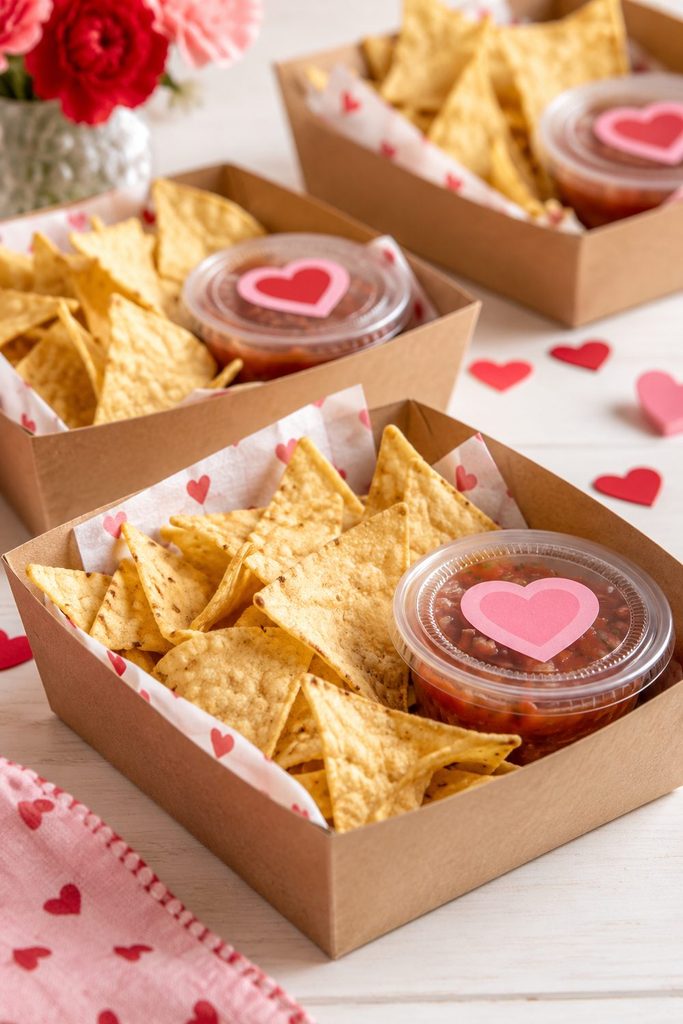
Pair an approved individual portion of plain tortilla chips with a little lidded salsa cup. Choose a mild salsa and keep the dip separate so the chips stay crisp. A red lid sticker is enough to make the kit feel ready for Valentine’s Day.
Put both parts in a small snack box and follow the salsa’s storage instructions. Check whether the class is comfortable with dips and crunchy chips; this is better suited to children who already manage that texture confidently.
7. Crunchy Roasted Chickpea Snack Pots
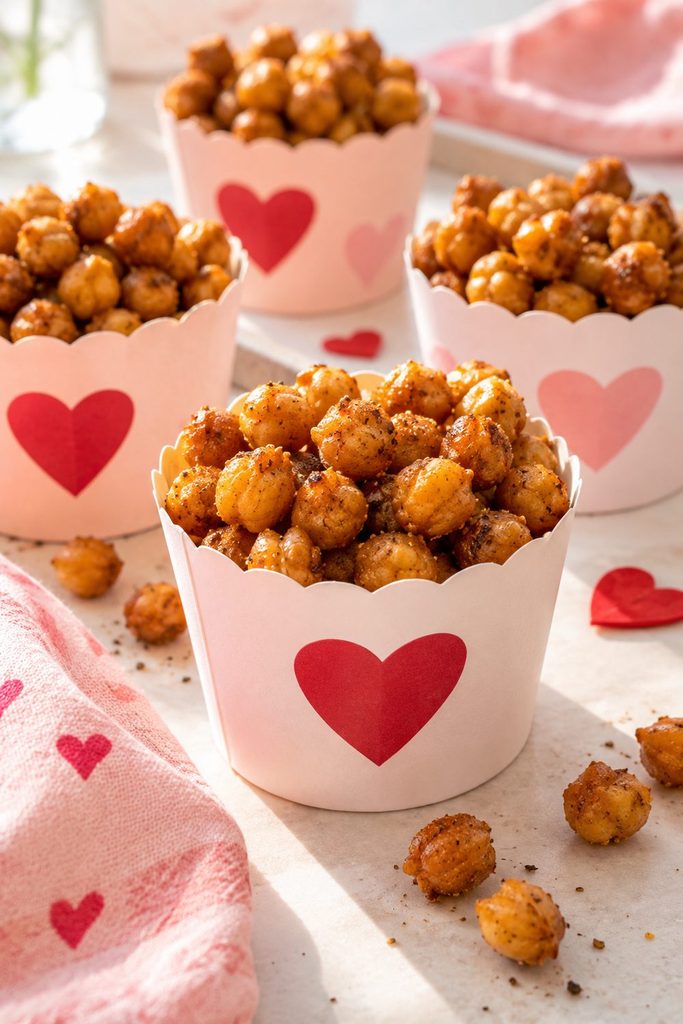
Use approved roasted chickpeas for a savory alternative to sweets, or prepare a familiar recipe at home if homemade snacks are allowed. Choose a mild flavor and portion into small paper snack cups rather than putting a communal bowl on the table.
Add an outside heart sticker and keep the original packaging available for the teacher. Roasted chickpeas can be quite hard, so reserve this idea for a class whose teacher confirms the texture is suitable. It is not a good default for young preschoolers.
Breakfast-Inspired Valentine Treats
8. Mini Pink Pancake Stacks
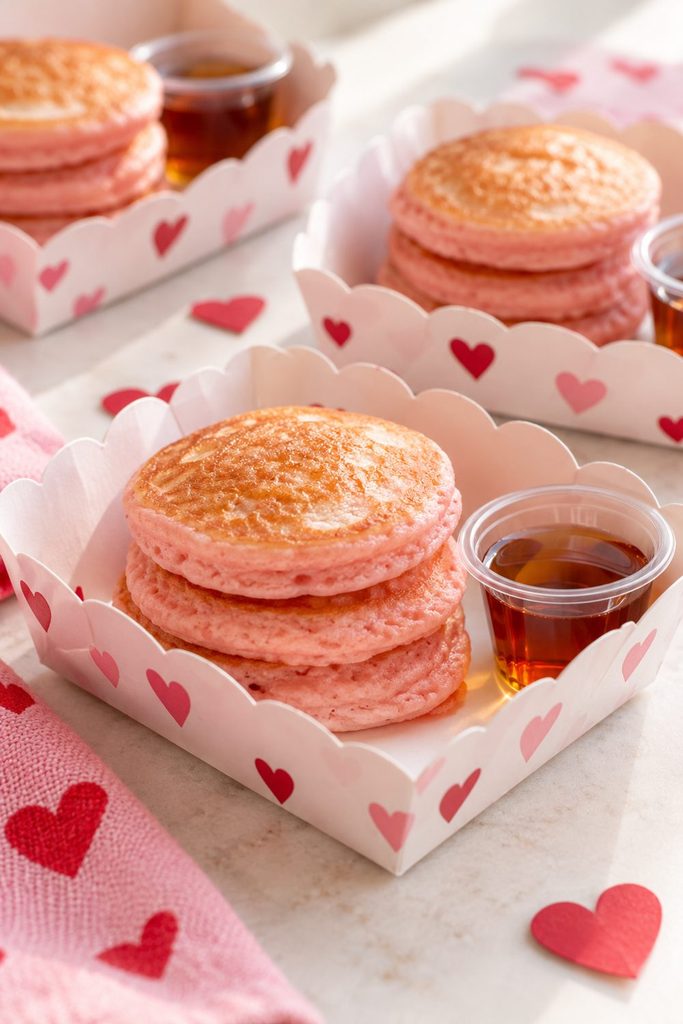
Make small pancakes from an approved recipe, adding a little suitable pink food coloring if desired. Use a mini pancake pan for even portions, or spoon small rounds onto your usual griddle. Stack two or three once cool.
Put each stack in a small hinged food box with a tiny separate syrup container. Do not use skewers to hold the stacks together. Refrigerate the cooked pancakes and check with the teacher about serving them cold or reheating them.
9. Waffle Bite Snack Boxes

Cook an approved waffle batter in a mini waffle maker, then cool and cut into small quarters. The crisp edges and little pockets make these feel like a party breakfast, even without a pile of toppings.
Pack in snack boxes with a small portion cup of approved fruit spread if the teacher allows dips. Keep the spread separate until serving, and follow a cold-storage plan for the cooked waffles. Avoid adding loose decorative picks.
10. Strawberry Mini Muffins

Fold finely diced, well-dried strawberries into a familiar approved muffin batter and bake in a mini muffin pan. Small pieces of fruit distribute more evenly than large chunks and help the little muffins hold together.
Use mini paper muffin liners and let the muffins cool fully before placing them in individual bakery bags. Include the complete ingredient list with the class batch. These can be baked ahead, but follow your recipe’s storage directions rather than leaving moist fruit muffins out indefinitely.
11. Raspberry Oat Crumble Bars

Bake an approved oat crumble bar recipe with a thin layer of raspberry jam in the middle. Line the pan with parchment paper so you can lift the slab out, and let it cool fully before slicing into small bars.
Choose raspberry jam and oats that meet the class policy, then pack each bar in a food-safe treat sleeve. Keep the portions small enough for snack time. Crumble bars travel better when the filling is a thin layer rather than a thick, sticky pool.
12. Cinnamon-Sugar Pita Crisps
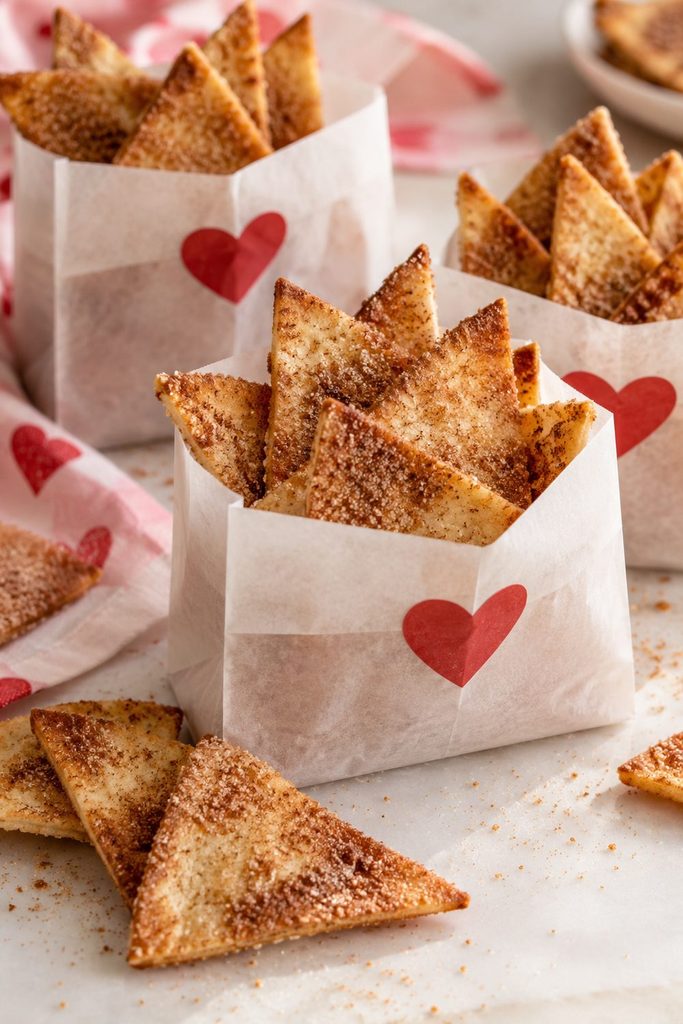
Cut soft pita into triangles, brush lightly with an approved oil or melted butter, and dust with cinnamon sugar. Bake on a rimmed baking sheet until crisp, watching closely so the thin edges do not burn. Let them cool before packing.
Divide into paper snack bags with red heart seals. Check the pita label for sesame and other restricted allergens. This is a sweet, crunchy option for older children who manage crisp foods comfortably.
13. Mini Blueberry Scone Bites

Use a familiar approved scone recipe and shape the dough into small wedges with a bench scraper. Keep the blueberries small or cut larger berries so they do not make the pieces fall apart. Bake according to your recipe, checking smaller scones sooner.
Cool on a baking rack and tuck into pink bakery boxes. Skip a wet glaze if the treats need to travel. These bring a different flavor to a table full of strawberry snacks, while the Valentine packaging keeps them on theme.
14. Cherry-Oat Snack Bites

Choose an approved oat bite recipe that uses a suitable seed butter if the class allows it, then fold in finely chopped dried cherries. Do not simply swap a nut butter recipe without checking the texture and all ingredient labels.
Use a small cookie scoop for even portions and flatten each bite slightly instead of making hard round balls. Pack in mini paper liners inside lidded boxes and follow the recipe’s refrigeration instructions. Check whether sticky or chewy snacks suit the children’s ages.
Little Valentine Desserts for the Class Party
15. Mini Red Velvet Cupcakes
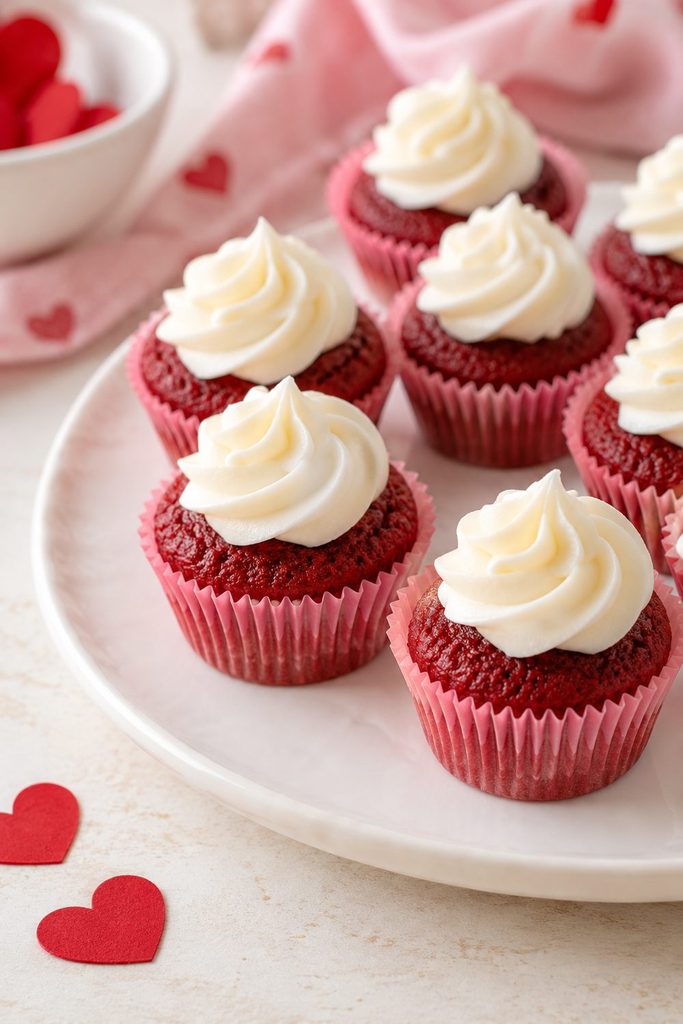
Bake an approved red velvet recipe or suitable mix in a mini cupcake pan. Once cool, add a small swirl of frosting with a piping bag. A tiny cupcake with a neat white top looks festive without a complicated design.
Set each cupcake in a cupcake carrier or a lidded container with enough space above the frosting. Keep any cream cheese frosting refrigerated and check with the teacher about homemade baked goods. Avoid assuming a boxed mix or bakery cupcake meets the allergy policy.
16. Fudgy Brownie Hearts
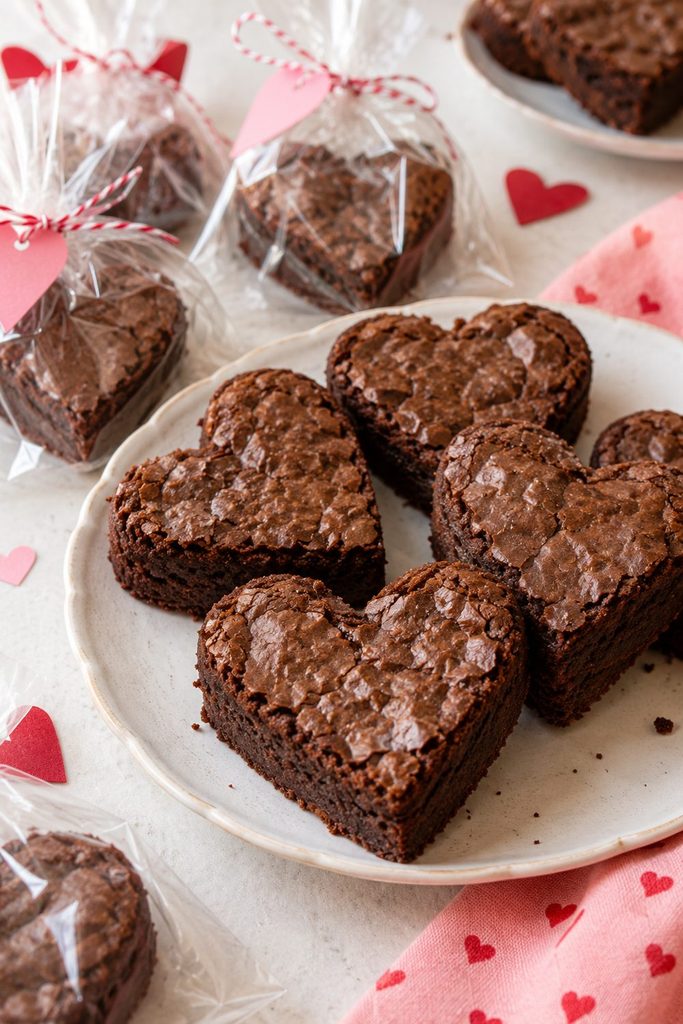
Bake an approved brownie recipe in a pan lined with baking parchment. Let the brownies cool completely before cutting out hearts with a metal heart cutter. A slightly chilled slab is usually easier to cut neatly than warm brownies.
Place the hearts in individual treat bags once firm. Keep nuts and nut-based decorations out of the recipe, check the chocolate label, and retain the packaging. The scraps are useful for dessert at home, so you do not have to serve every edge piece at the party.
17. Pink Meringue Kisses
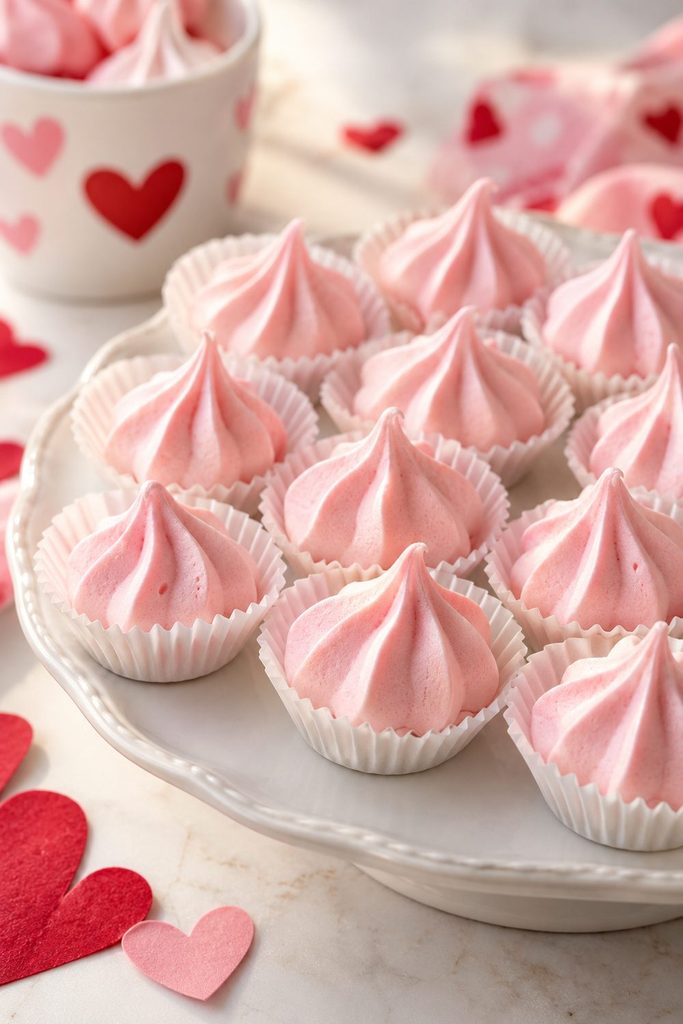
Pipe an approved meringue recipe into small kisses using a star piping tip, adding suitable pink coloring if desired. Bake and dry them according to the recipe; meringue needs time to become crisp rather than sticky inside.
Pack only when completely cool in airtight containers, with small paper liners to separate portions. These contain egg and are delicate, so confirm the class can have them. Choose a different snack if the teacher wants something sturdier or less crumbly.
18. Marshmallow Valentine Wands

Dip the end of an approved marshmallow in a little suitable melted coating, then add a few approved sprinkles. If you use sticks, choose blunt paper lollipop sticks and confirm the teacher allows them. Set the marshmallows on parchment sheets while the coating firms.
Use small treat bags to cover each wand. Marshmallows are sticky and can be a choking concern for young children, so this idea belongs only in a class where the teacher confirms they are appropriate. Do not use sharp skewers.
19. Chocolate Banana Freezer Bites

Cut banana into thick, manageable slices, add a thin layer of approved melted chocolate, and freeze on a small freezer tray lined with parchment. Use a silicone spatula to spread the coating instead of trying to balance each slice on a skewer.
Portion into freezer-safe snack containers and keep frozen until serving. This works only if the classroom has freezer space and a clear serving plan. If it does not, choose one of the shelf-stable handouts below instead.
20. Strawberry Yogurt Bark Pieces

Spread approved strawberry yogurt in a thin layer over a parchment-lined tray, scatter with finely chopped strawberries, and freeze until firm. Break into small flat pieces rather than thick chunks.
Store between parchment squares in a freezer container. Yogurt bark melts quickly, so arrange freezer storage with the teacher and serve straight from frozen. This is a fun choice for a planned classroom snack, rather than a treat that sits on a desk all morning.
21. Pink Strawberry Fudge Squares
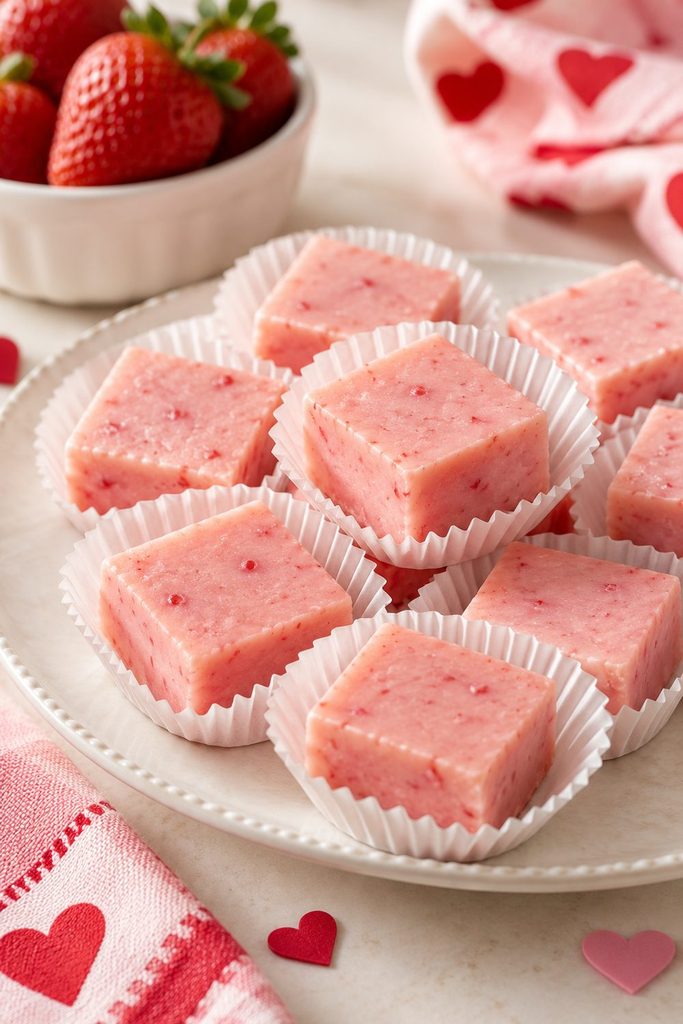
Make a familiar, tested strawberry fudge recipe using ingredients that meet the class restrictions. Line a small square baking pan with parchment and chill the fudge for the full time specified before cutting. The pink color does most of the decorating for you.
Cut small portions with a sharp kitchen knife during adult preparation, then set each square in a mini candy liner. Keep chilled if the recipe requires it. Check the exact coating, condensed milk, flavoring, and decorations instead of assuming pink fudge is automatically nut-free.
Packaged and Easy-to-Portion Valentine Handouts
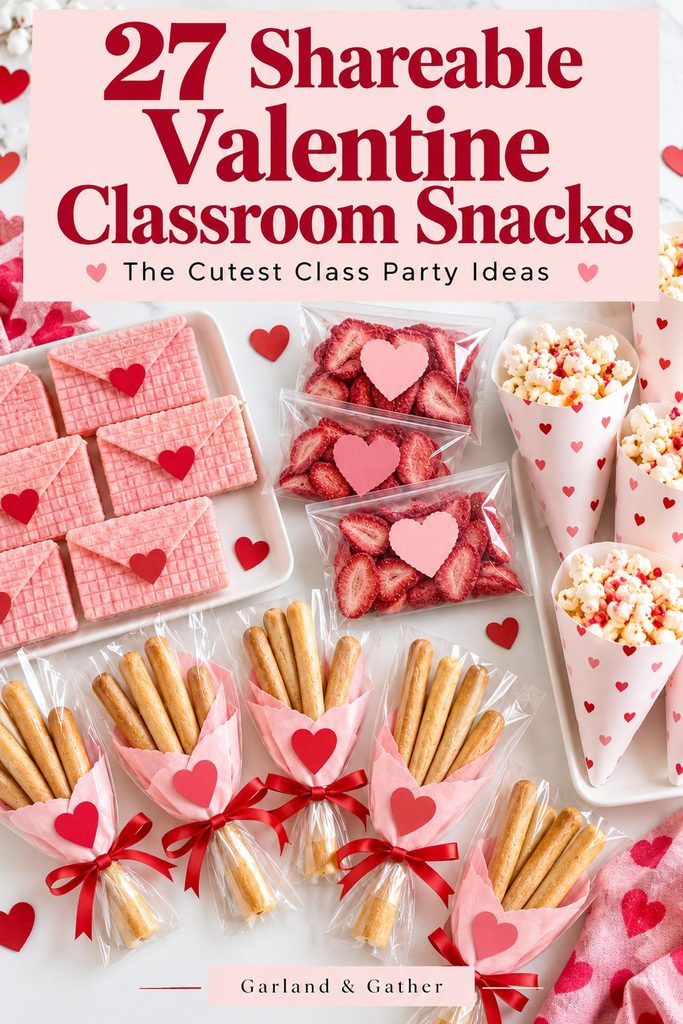
22. Popcorn Party Cones

Portion suitable plain or lightly salted popcorn into food-safe paper cones and fold the tops closed. Red-and-white paper makes a simple snack feel party-ready without adding a sticky candy coating.
Seal with heart-shaped stickers and keep the original product label for the teacher. Popcorn is not suitable for young children who are still at risk from its texture; use this only when the teacher confirms it fits the class’s ages and eating skills.
23. Dried Apple Ring Valentines
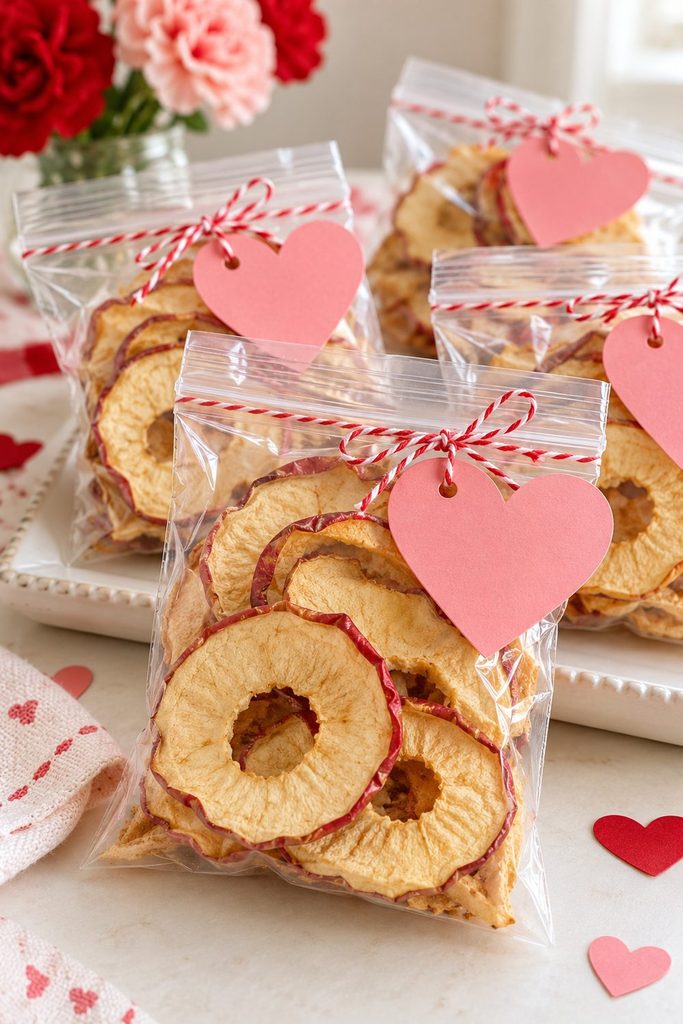
Choose soft dried apple rings with suitable labeling and divide into small resealable food bags. A paper tag saying “You’re the apple of my eye!” turns a plain fruit snack into a Valentine handout.
Attach the tags with removable tape on the outside of the bags. Dried fruit can be chewy, so confirm it suits the class and cut larger rings into manageable pieces if the teacher requests it. Follow the package’s storage directions.
24. Freeze-Dried Berry Snack Packs

Look for approved, individually sealed freeze-dried strawberry snacks or mixed berry packs. The bright red fruit already looks festive, so a small paper Valentine attached outside the packet is enough.
Use removable heart stickers without covering the ingredients or opening the packaging. Check whether the particular fruit pieces are suitable for the children’s eating skills. Keep packets sealed until snack time so the fruit stays crisp.
25. Mini Breadstick Bouquets
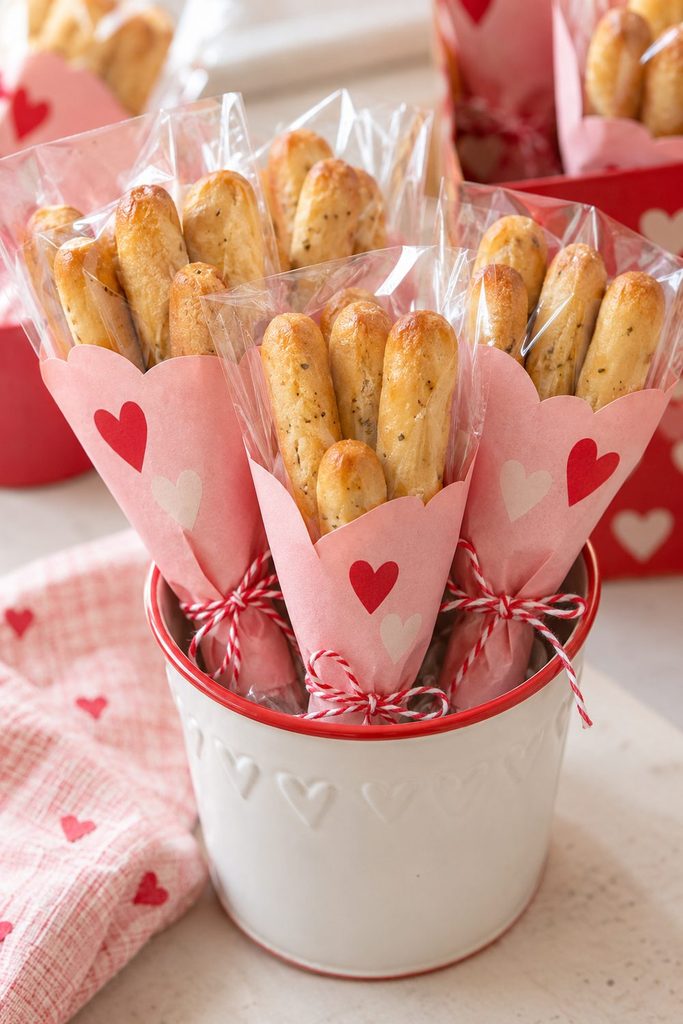
Gather a few approved mini breadsticks into each food-safe snack sleeve, then add a pink paper collar around the outside to make a little bouquet. Keep the sticks fully contained so the food does not touch craft paper.
Finish the collar with double-sided craft tape on the paper only. Choose short, manageable breadsticks and check for sesame and other restricted ingredients. This is a simple savory handout when the class has already received plenty of sweets.
26. Individually Wrapped Mini Cake Pops

Buy individually wrapped mini cake pops from a source that provides complete ingredient and allergen information, or make an approved recipe if the school allows it. Use cake pop treat bags only after the coating has fully set.
Attach a paper heart gift tag with a short piece of cotton gift twine outside the bag. Check that the teacher allows sticks, and follow the maker’s storage directions. Bakery treats without reliable ingredient information are not a good choice for a classroom allergy plan.
27. Strawberry Wafer Valentine Envelopes
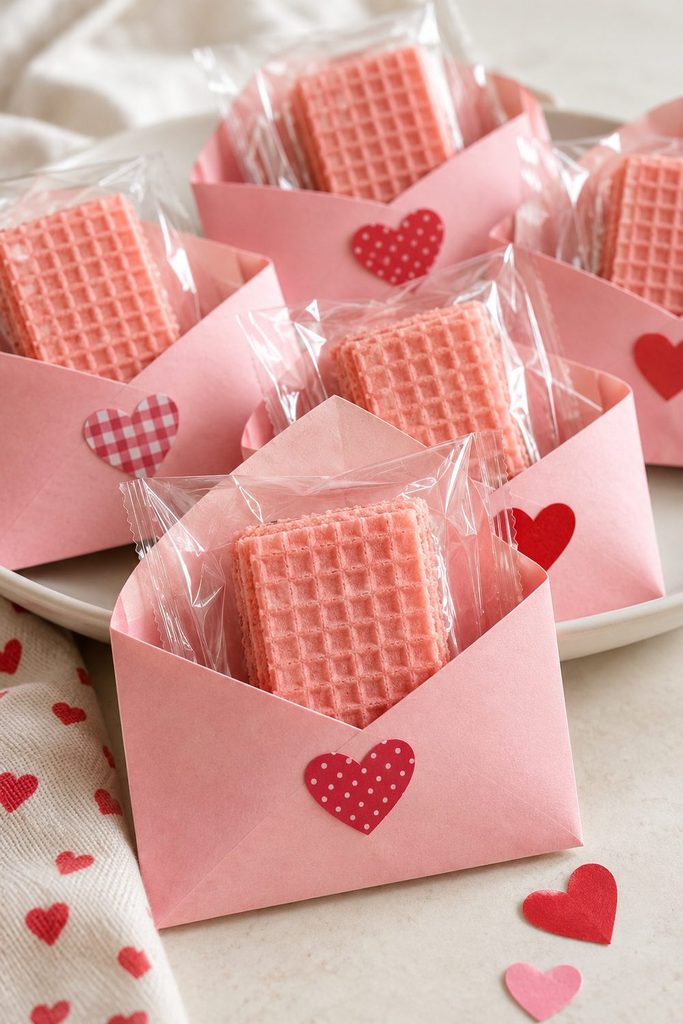
Choose approved, individually wrapped strawberry wafer cookies and tuck each sealed packet into an open paper Valentine envelope. The pink filling adds the color, while the envelope gives children a place to write a friend’s name.
Add a heart seal sticker to the paper rather than the food wrapper. Keep ingredient labels easy to inspect and avoid repackaging cookies from an unlabeled assortment. It is a tidy handout that needs very little assembly once the exact product is approved.
How to Make Enough Snacks for the Whole Class
Start with the confirmed class size and ask whether the teacher wants a couple of extra portions. For 24 children, 26 portions gives you two spares if that suits the classroom plan. Count your containers, wrappers, and utensils before you start cooking.
Choose something you can repeat comfortably. A tray of mini muffins or a box of sealed berry packets may be a better fit for your evening than a batch of delicate cake pops. Put one finished portion together first so you know the packaging fits before preparing the rest.
For homemade food, keep a complete ingredient list and the original packages available. Label containers as the teacher requests, arrange delivery and cold storage, and pack decorations separately from food whenever possible. Avoid loose picks, sharp skewers, and removable accessories that could end up in a child’s mouth.
Frequently Asked Questions
What are easy Valentine’s classroom snacks without peanuts or tree nuts?
Approved sealed freeze-dried fruit packets or individually wrapped strawberry wafers can be convenient starting points. If homemade food is allowed, mini muffins, simple pizzas, or brownie hearts may work with carefully selected ingredients. The exact labels and classroom allergy plan determine what is suitable.
Which Valentine’s Day classroom snacks need no baking?
Packaged freeze-dried berries, dried apple handouts, breadstick bouquets, and wafer envelopes need no baking at home. Chocolate banana bites and yogurt bark also skip the oven, but they require freezer space and a serving plan.
Can I use sunflower seed butter for classroom snacks?
Only if the classroom allows it and the exact product meets its restrictions. Check for other allergens and cross-contact warnings. Seed butter is not an automatic substitute for every allergy plan or every recipe.
What can I send if the school does not allow homemade treats?
Ask the teacher for approved commercially packaged options. Keep each product sealed with its original label accessible, and add paper decorations outside the packaging. Do not assume an unlabeled bakery treat is acceptable.
Are frozen Valentine snacks practical for a class party?
They can be if the teacher confirms freezer space and can serve them promptly. Yogurt bark and frozen banana bites soften quickly, so they are unsuitable for a party box that will sit at room temperature. Choose a different option if frozen storage is unavailable.
How do I make the snacks look festive without extra candy?
Use pink paper collars, red heart stickers, Valentine envelopes, or a simple gift tag outside the food packaging. Heart-shaped baking molds also add a theme without requiring a layer of frosting. Keep labels visible and loose craft materials away from food.
A few thoughtful details are enough to make a classroom snack feel like a Valentine. Pick something the teacher can serve, portion it neatly, and let the little hearts and happy messages bring the celebration together.